Proactive Compliance Management
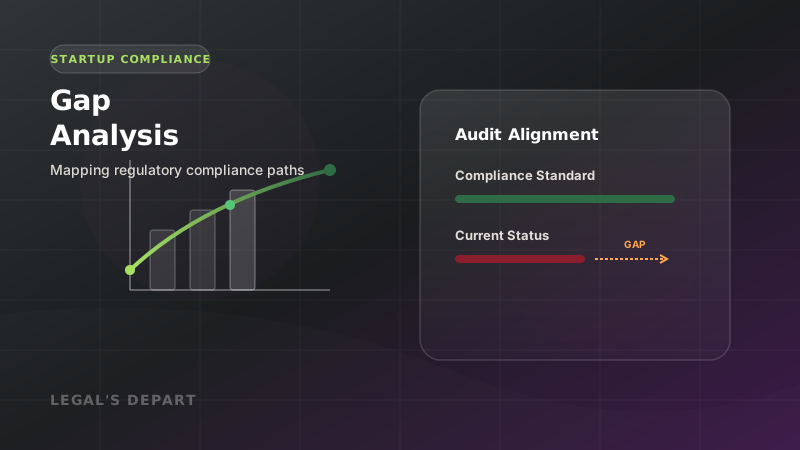
In a dynamic business environment, regulatory frameworks are constantly shifting. As companies scale, launch new product features, hire team members in new states, or expand internationally, their statutory requirements evolve. Undergoing a periodic regulatory gap analysis is a proactive measure that identifies security, legal, or fiscal compliance vulnerabilities before an official government audit does.
The financial consequences of non-compliance can be catastrophic. Beyond severe monetary fines and potential class-action litigation, regulatory infractions can irreparably damage corporate reputation, disrupt operations, and stall investment rounds or acquisitions. Proactive compliance is a strategic business asset.
Core Objectives of a Compliance Gap Audit
A gap analysis systematically compares your company's actual operating procedures with the required regulatory benchmarks:
1. Data & Consumer Privacy
Auditing where consumer data is captured, how it is processed, and whether your platforms comply with regional regulations like GDPR, CCPA, or HIPAA. The audit checks if encryption standards match the legal definitions of data safeguarding.
2. Employment & Wage Classification
Verifying if employees and independent contractors are classified correctly under local tax and labor codes. Misclassification is a primary target of state audits and carries heavy back-tax penalties.
3. Financial Controls & Disclosures
For companies handling transactions or managing investor funds, the audit inspects anti-money laundering (AML) controls, accounting systems, and mandatory financial reporting schedules.
Comparison: Internal Review vs. External Audit
Understanding the difference between ongoing self-reviews and formalized external compliance mapping helps organizations allocate resources efficiently:
| Dimension | Internal Review (Self-Audit) | External Gap Analysis |
|---|---|---|
| Frequency | Continuous / Monthly | Annual or Bi-Annual |
| Objective | Identify immediate errors, missed filings, or policy gaps. | Map overall business posture against updated national codes. |
| Vantage Point | Subject to internal bias or team blind spots. | Objective, expert, and legally protective. |
| Deliverable | Quick correction tasks. | Formal, audit-ready compliance report & roadmap. |
Methodical Steps in a Gap Analysis Audit
When executing a gap analysis audit, follow these structured steps to ensure completeness:
- Map Current Operations: Document all software systems, data touchpoints, labor contracts, and marketing strategies currently in use.
- Identify Applicable Statutes: Match those operations with municipal, state, federal, and international regulatory frameworks based on business footprint.
- Measure Deviation & Risk: Assess where operations deviate from statutes. Assign a risk rating (Critical, Moderate, Low) based on the likelihood of audit and penalty size.
- Execute Remediation Plan: Update contracts, apply security patches, file back taxes, or modify workflows to bridge identified gaps.
Enterprise Support Services
At Legal's Depart, we offer tailored compliance mapping and gap analysis consulting to keep growing enterprises fully aligned with state and federal statutory frameworks, neutralizing legal risks before they impact your growth.